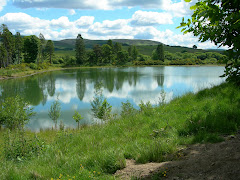
Trout fishing has been anywhere and has been a rewarding sport to many enthusiasts. But what can be so worth looking forward to trout fishing in Scotland?
Well, for one thing there are over six thousand lochs and rivers in Scotland and no doubt that there is greater possibility for anglers to catch a good one. The waters do not only give you brown trout but salmons as well. A Fishing trip would surely be fun with the many famous lakes surrounding Scotland such as Spey, Tey, Dee, and Tweed.
Some of the Scottish trout are considered a poor relation in the salmon family however, the brown trout drives many fishers both local and visitors all over Scotland as it provides the most amazing experience in the fly fishing sport. Trout fishing exceeds its popularity over salmon through its costs and wide accessibility. Furthermore, the success of this sport is increasingly soaring, though water levels are getting unpredictable sometimes for trout fishing.
Trout can be abundantly and easily found in rivers or in lochs opposite to where the most skillful and diligent salmon anglers are. Trout on the other hand are so easy to catch unlike salmon as they have to feed all year round making them easier to track knowing how they behave in these given circumstances. More so it helps fishers to choose the right fishing tackle, flies, and technique according to its behavior.
Trout's common hideouts are usually in skinny lakes or streams and rivers, or in slow moving water. Other trouts like rainbow are more aplenty in fast moving water bodies, but most of the time they are found in large objects like a big bolder or plants or anything that may slow the water flow. Nevertheless, trout swim towards the head of the pool in running water.
Finding where to fish in Scotland requires more effort and thorough study before we go on learning what are the appropriate tackle, flies and the like. What tools are best used when trout fishing in Scotland will be dealt with a little later. This is not an easy task for someone living outside this country. A bit of research planning where to fish would be a wise thing to do. Fortunate for those who live nearby the banks of Don, Tweed or Clyde, or in the aisle of Lewis are surrounded by trout Lochs which makes it easier for them to choose where to go and scout for trout.
Here are useful questions to help you decide where and how to go fishing in Scotland:
1. Are we fishing on Lochs or rivers? North or South? Highland or lowland? On a boat or in a bank?
2. When is the proper time to go trout fishing in Scotland?
3. When visiting only in Scotland, which place to stay overnight?
After going through these questions and made an decision the next best thing to do is to find out what tackles, fishing tools and tactics are suitable in trout fishing. A little planning, reading, and studying will guide you how to outwit Scottish trout's. To add to the information of your fishing trip in Scotland, there are maps and photos of the major lochs and rivers where trout is abound. Trout fishing in Scotland will prove more successful if the proper and appropriate fishing equipment is used, so make sure to read more tips and about techniques.
Mike Bell is a trout fishing enthusiast and author, who enjoys helping others get started in this amazing hobby. If you wish to read more useful and unique info about trout fishing scotland or to get a copy of his Free 'Trout Fishing Essentials' mini-course then visit his site www.troutfishingexplained.com.
Article Source: http://EzineArticles.com/?expert=Mike_John_Bell
Thursday, 15 July 2010

What You Should Know When Trout Fishing in the Waters of Scotland By James Field Platinum Quality Author
Unless you live near the banks of the Don, Tweed or Clyde, or in any area in Scotland where trout thrive, deciding where to fish in Scotland can be a burden without careful planning and research. Things such as your budget, your lodging and the commodities you're going to need to bring comes into the fray of questions you need to answer first before casting your line in Scottish trout territory.
You also have to consider the seasons, when it is best to go fishing for trout and, where and how are you going to fish. Will you go fishing on the river or in a loch, large or small, north or south, highland or lowland, from boat or bank?
Basically start with researching all you need to know about trout, especially if it's going to be your first time to be fishing for it. Next, get to know Scotland as well, particularly the best places where you can accomplish your goal with fun and ease. Consider the dates: 14th of March to the 7th of October, as this time period is the open season for trout fishing.
Trout are cold-water fish. This fact helps in narrowing your choices for fishing spots. The Highlands are said to have excellent spots, as well as the rivers and lochs located at Argyll, Caithness, Orkney, Durness, and Perthshire. You may also consider some commercially stocked fisheries on either the Central belt or in Aberdeenshire. A good tip is to start exploring the communities around the sites, asking the locals and experts for advice.
The second to the last but still crucial thing to get before going to Scotland to fish is of course a fishing permit, especially for trout fishing on rivers, since most of it is covered under Protection Orders. They are available in tourist outlets, tackle shops, tour operators or angling clubs. Standard permits will only allow you to fish for wild brown trout and rainbow trout, a migratory fish permit is required for you to be able to do sea trout fishing.
The last important, but probably the longest, step to complete is the getting your own skills warmed-up enough. Make sure you have the proper tools.
Learn and diligently practice your fly-fishing on a loch before you move on to a river. Hone your techniques on the bank until they're up to the mark, then move on to the boat. Turn the boat 90 degrees facing the wind. It will help to have someone along to hold the boat in position.
Remember what your research is, especially the facts on where trout usually hide. Keep a steady rhythm of casting and retrieving. But remember to be careful not to scare them off! Catch your trout and draw a line where you caught your catch. Release most of them back into the water for the next day.
Three words to sum your trip to Scotland up: "prepare" and "have fun"!
JAMES FIELD is a trout fishing expert. For more information on trout fishing Scotland, visit http://www.troutfishingheadquarters.com/.
Article Source: http://EzineArticles.com/?expert=James_Field
You also have to consider the seasons, when it is best to go fishing for trout and, where and how are you going to fish. Will you go fishing on the river or in a loch, large or small, north or south, highland or lowland, from boat or bank?
Basically start with researching all you need to know about trout, especially if it's going to be your first time to be fishing for it. Next, get to know Scotland as well, particularly the best places where you can accomplish your goal with fun and ease. Consider the dates: 14th of March to the 7th of October, as this time period is the open season for trout fishing.
Trout are cold-water fish. This fact helps in narrowing your choices for fishing spots. The Highlands are said to have excellent spots, as well as the rivers and lochs located at Argyll, Caithness, Orkney, Durness, and Perthshire. You may also consider some commercially stocked fisheries on either the Central belt or in Aberdeenshire. A good tip is to start exploring the communities around the sites, asking the locals and experts for advice.
The second to the last but still crucial thing to get before going to Scotland to fish is of course a fishing permit, especially for trout fishing on rivers, since most of it is covered under Protection Orders. They are available in tourist outlets, tackle shops, tour operators or angling clubs. Standard permits will only allow you to fish for wild brown trout and rainbow trout, a migratory fish permit is required for you to be able to do sea trout fishing.
The last important, but probably the longest, step to complete is the getting your own skills warmed-up enough. Make sure you have the proper tools.
Learn and diligently practice your fly-fishing on a loch before you move on to a river. Hone your techniques on the bank until they're up to the mark, then move on to the boat. Turn the boat 90 degrees facing the wind. It will help to have someone along to hold the boat in position.
Remember what your research is, especially the facts on where trout usually hide. Keep a steady rhythm of casting and retrieving. But remember to be careful not to scare them off! Catch your trout and draw a line where you caught your catch. Release most of them back into the water for the next day.
Three words to sum your trip to Scotland up: "prepare" and "have fun"!
JAMES FIELD is a trout fishing expert. For more information on trout fishing Scotland, visit http://www.troutfishingheadquarters.com/.
Article Source: http://EzineArticles.com/?expert=James_Field
Saturday, 3 July 2010
Fly Fishing Breaks in Perthshire By Harry Young
The River Tay in Perthshire is world famous for its high quality salmon fishing. However, Perthshire trout fishing is of an equally high standard with plenty of well-stocked fisheries and hill lochs to choose from. With reasonable prices, stunning scenery and centrally located, Perthshire offers the trout angler everything and is perfect for a short or long fishing break. The following short list describes just a few popular high quality fisheries that are easy to get to and all close to each other.
Glensherrup Reservoir Fishery
Set amidst the Ochil Hills, this 29 acre loch offers fly fishing for hard fighting brown, golden, and rainbow trout from both bank and boat. The reservoir is known for its crystal clear water, making seeing and targeting fish easier. Although most of the rainbows average the 2 lb mark, there are double figure fish in the loch. Advice, flies and rod hire are all available at the hut and the Anglers Lodge provides hot and cold snacks, tea and coffee. Gold Head Damsels prove successful flies as do Buzzers and Daddies from April to October.
Loch Leven
Trout anglers all over the world hold Loch Leven as one of the best. This large, shallow (the average depth is only 12ft) loch is stocked with rainbows that go into double figures, and the unique Loch Leven trout which is a strain of brown trout but is silvery like a sea trout. They are known for their fighting qualities and, once landed make a delicious meal. The most popular and successful flies are sedges and buzzers. With excellent facilities such as a small fleet of boats, bar snacks and packed lunches, and its own fish rearing operation, every trout angler should pay Loch Leven a visit.
Gartmorn Dam Fishery
This fishery is located in peaceful Gartmorn Dam Country Park and is one of the most scenic in the area. The 167 acre reservoir with its impressive dam is very well stocked with quality rainbows and brownies mostly under 10 lbs, and offers both bank and boat fishing. Facilities here are superb such as a visitor centre with ample parking and toilets, friendly staff who are on hand to provide fishing advice and first aid, and the opportunity to take part in Troutmaster competitions.
Glenquey Reservoir
Glenquey Reservoir is one of the few fisheries that stocks only brown trout. Set in beautiful surroundings this tranquil water has gently sloping banks which makes for easy wading; ideal since there no boats available. The dry fly fisherman will see good catches on Dark Grouse, Wickham's Fancy or Black Hoppers, while wet fly anglers should tie on a trusty Peter Ross coupled with a Zulu or a favorite silver or gold bodied fly further into the season. Aside from the superb fishing, Glenquey also has very reasonable prices.
River Devon
The River Devon winds through the Ochil Hills where it has been dammed to form three reservoirs, and then down into picturesque Glen Devon. While its trout are many, they tend to be on the small side. However, this is balanced by good runs of sea trout and salmon. There is varied bank fishing in deep pools and near waterfalls with shallower stretches more suitable for wading.
Frandy Fishery
Located up in the scenic Ochil Hills, Frandy Fishery gives excellent fly fishing for brownies, rainbows and blues. Their stocking policy means that more fish go in on a weekly basis than come out; so chances of a big catch are good. The excellent amenities include a large, well situated car park, 14 boats including lifejackets, tuition service, and a well-stocked lodge selling lures and flies including the famous Frandy "Killers".
Permits
Fishing permits are available from many local shops, pubs and hotels. When buying one, always ask what the local rules and regulations are, and, to avoid disappointment, don't forget to ask about no Sunday fishing.
Harry Young works for Toltech Internet Solutions and writes on behalf of An Lochan. For a central base from which to fly fish Perthshire, Scotland visit 4 star An Lochan Country Inn, Perthshire. Fresh Highland food, fine wines and ales, and comfortable rooms in a scenic Scottish setting. Contact An Lochan to find out about special rates and deals for fly fishing
Article Source: http://EzineArticles.com/?expert=Harry_Young
Glensherrup Reservoir Fishery
Set amidst the Ochil Hills, this 29 acre loch offers fly fishing for hard fighting brown, golden, and rainbow trout from both bank and boat. The reservoir is known for its crystal clear water, making seeing and targeting fish easier. Although most of the rainbows average the 2 lb mark, there are double figure fish in the loch. Advice, flies and rod hire are all available at the hut and the Anglers Lodge provides hot and cold snacks, tea and coffee. Gold Head Damsels prove successful flies as do Buzzers and Daddies from April to October.
Loch Leven
Trout anglers all over the world hold Loch Leven as one of the best. This large, shallow (the average depth is only 12ft) loch is stocked with rainbows that go into double figures, and the unique Loch Leven trout which is a strain of brown trout but is silvery like a sea trout. They are known for their fighting qualities and, once landed make a delicious meal. The most popular and successful flies are sedges and buzzers. With excellent facilities such as a small fleet of boats, bar snacks and packed lunches, and its own fish rearing operation, every trout angler should pay Loch Leven a visit.
Gartmorn Dam Fishery
This fishery is located in peaceful Gartmorn Dam Country Park and is one of the most scenic in the area. The 167 acre reservoir with its impressive dam is very well stocked with quality rainbows and brownies mostly under 10 lbs, and offers both bank and boat fishing. Facilities here are superb such as a visitor centre with ample parking and toilets, friendly staff who are on hand to provide fishing advice and first aid, and the opportunity to take part in Troutmaster competitions.
Glenquey Reservoir
Glenquey Reservoir is one of the few fisheries that stocks only brown trout. Set in beautiful surroundings this tranquil water has gently sloping banks which makes for easy wading; ideal since there no boats available. The dry fly fisherman will see good catches on Dark Grouse, Wickham's Fancy or Black Hoppers, while wet fly anglers should tie on a trusty Peter Ross coupled with a Zulu or a favorite silver or gold bodied fly further into the season. Aside from the superb fishing, Glenquey also has very reasonable prices.
River Devon
The River Devon winds through the Ochil Hills where it has been dammed to form three reservoirs, and then down into picturesque Glen Devon. While its trout are many, they tend to be on the small side. However, this is balanced by good runs of sea trout and salmon. There is varied bank fishing in deep pools and near waterfalls with shallower stretches more suitable for wading.
Frandy Fishery
Located up in the scenic Ochil Hills, Frandy Fishery gives excellent fly fishing for brownies, rainbows and blues. Their stocking policy means that more fish go in on a weekly basis than come out; so chances of a big catch are good. The excellent amenities include a large, well situated car park, 14 boats including lifejackets, tuition service, and a well-stocked lodge selling lures and flies including the famous Frandy "Killers".
Permits
Fishing permits are available from many local shops, pubs and hotels. When buying one, always ask what the local rules and regulations are, and, to avoid disappointment, don't forget to ask about no Sunday fishing.
Harry Young works for Toltech Internet Solutions and writes on behalf of An Lochan. For a central base from which to fly fish Perthshire, Scotland visit 4 star An Lochan Country Inn, Perthshire. Fresh Highland food, fine wines and ales, and comfortable rooms in a scenic Scottish setting. Contact An Lochan to find out about special rates and deals for fly fishing
Article Source: http://EzineArticles.com/?expert=Harry_Young
Trout Fishing on Spring Reservoirs By Sean Meagan
Let's take a trip to an upland reservoir in early Spring to see how it's done. Today we'll visit the Washburn valley in Yorkshire and fish Fewston, one of its three large reservoirs.
Tackle
These upland reservoirs can be wild so this is no place for delicate tackle. I'm using a 9.5 ft 8 weight rod, a weight forward line and a 15ft 8lb fluorocarbon leader.
Fish Location
These large reservoirs often appear featureless with their long expanses of exposed mud. The secret is to exploit the topography of the land before it was flooded. Look for old lanes, walls, field barns and streams. Today I choose a spot where a linear scattering of stones on the bank and emergent weed in the water indicate the line of an old wall. Normally I wouldn't enter the water for my first few casts, but on this occasion a sparse line of weed about 5 yards out decides me to wade out so I can fish over it.
Let's catch Fish!
I open my lure box and select a lightly weighted black fritz concrete bowl (all dressings given at the end of this article). I wade out to the weed and make my first cast. I'm not going for distance and I aim to drop the fly just beyond the end of the weed bed, probably no more than 10 yards out. Trout are unlikely to swim through the denser weed and so will swim around the obstruction. This gives a 'pinch point' just off the end of the weed bed where a concentration of fish is likely to occur. Sure enough on my second cast there's a solid thump followed by the rapid, jagging fight of a decent rainbow trout. I soon net a plump trout of just over a pound, which I despatch in the net before unhooking it and transferring it to my bass bag.
I now commence to explore the water in front of me thoroughly. Casting along the bank first, then gradually extending my casting distance out to about 25 yards. The retrieve is a slow 'figure of eight' and at first I try to keep the retrieve as smooth and uniform as possible. Slow means slow! Count to three on each leg of the figure of eight in slow waltz time: one-two-three, one-two-tree. At this time of the year and in these unsettled weather conditions the trout are unlikely to be aggressive, so start slow. You're less likely to spook fish and you can always speed things up and add a bit of variety later.
Over the next hour I land 5 decent trout and lose a couple due to them throwing the hook. I don't strike when I get a take, but continue to retrieve until everything goes solid or the fish makes a dash for freedom. I then start to get abortive takes: quick taps which don't develop into a solid take. Time to ring the changes. I try speeding up the retrieve without success so I change fly to an anorexic Diawl Bach. This results in 2 more fish then the tap tap tap starts again.
Time to Explore
I re-tie my black lure and start to work my way along the bank. The secret is to cast short initially and gradually cast further and further. Move quietly and don't wade until you've explored the margins. Trout will quite happily hang out in a couple of feet of water and it is the shallows that offer much of the food in these upland reservoirs. This is classic reservoir bank fishing. Try a spot for 15 minutes and move. Keep on moving until you find fish. Fish for a while until the takes dry up then move on. Once I've taken my limit I don't bother with a net and simply release the fish in the water. If you don't want to take fish this offers the ultimate in mobility. A spool of line and a fly box in your pocket, with a pair of snips and some forceps on a zinger are all that you need.
Dressings
Concrete Bowl (Sean's version)
Hook: size 12 long shank lure hook weighted with one layer of fine lead wire
Tail: black marabou
Body: black marabou, tied in at the tips
Rib: stretched pearl tinsel
Thorax: lime green Fritz, trimmed short
Thread: black
Diawl Bach (Sean's version)
Hook: size 14 wet fly (or a heavy carp hook - I use a size 10 ESP Raptor)
Tail: a few ginger cock hackle fibres
Body: a single peacock herl (tie short and trim after tying to slim the profile)
Rib: stretched pearl tinsel
Thread: fluorescent orange
Sean Meeghan is an experienced and very successful angler. He has written articles for several magazines and writes regularly for FishingMagic. He contributes regularly through his blog.
Sean also manages his own company Synomy, which help companies build brilliant businesses
Article Source: http://EzineArticles.com/?expert=Sean_Meagan
Tackle
These upland reservoirs can be wild so this is no place for delicate tackle. I'm using a 9.5 ft 8 weight rod, a weight forward line and a 15ft 8lb fluorocarbon leader.
Fish Location
These large reservoirs often appear featureless with their long expanses of exposed mud. The secret is to exploit the topography of the land before it was flooded. Look for old lanes, walls, field barns and streams. Today I choose a spot where a linear scattering of stones on the bank and emergent weed in the water indicate the line of an old wall. Normally I wouldn't enter the water for my first few casts, but on this occasion a sparse line of weed about 5 yards out decides me to wade out so I can fish over it.
Let's catch Fish!
I open my lure box and select a lightly weighted black fritz concrete bowl (all dressings given at the end of this article). I wade out to the weed and make my first cast. I'm not going for distance and I aim to drop the fly just beyond the end of the weed bed, probably no more than 10 yards out. Trout are unlikely to swim through the denser weed and so will swim around the obstruction. This gives a 'pinch point' just off the end of the weed bed where a concentration of fish is likely to occur. Sure enough on my second cast there's a solid thump followed by the rapid, jagging fight of a decent rainbow trout. I soon net a plump trout of just over a pound, which I despatch in the net before unhooking it and transferring it to my bass bag.
I now commence to explore the water in front of me thoroughly. Casting along the bank first, then gradually extending my casting distance out to about 25 yards. The retrieve is a slow 'figure of eight' and at first I try to keep the retrieve as smooth and uniform as possible. Slow means slow! Count to three on each leg of the figure of eight in slow waltz time: one-two-three, one-two-tree. At this time of the year and in these unsettled weather conditions the trout are unlikely to be aggressive, so start slow. You're less likely to spook fish and you can always speed things up and add a bit of variety later.
Over the next hour I land 5 decent trout and lose a couple due to them throwing the hook. I don't strike when I get a take, but continue to retrieve until everything goes solid or the fish makes a dash for freedom. I then start to get abortive takes: quick taps which don't develop into a solid take. Time to ring the changes. I try speeding up the retrieve without success so I change fly to an anorexic Diawl Bach. This results in 2 more fish then the tap tap tap starts again.
Time to Explore
I re-tie my black lure and start to work my way along the bank. The secret is to cast short initially and gradually cast further and further. Move quietly and don't wade until you've explored the margins. Trout will quite happily hang out in a couple of feet of water and it is the shallows that offer much of the food in these upland reservoirs. This is classic reservoir bank fishing. Try a spot for 15 minutes and move. Keep on moving until you find fish. Fish for a while until the takes dry up then move on. Once I've taken my limit I don't bother with a net and simply release the fish in the water. If you don't want to take fish this offers the ultimate in mobility. A spool of line and a fly box in your pocket, with a pair of snips and some forceps on a zinger are all that you need.
Dressings
Concrete Bowl (Sean's version)
Hook: size 12 long shank lure hook weighted with one layer of fine lead wire
Tail: black marabou
Body: black marabou, tied in at the tips
Rib: stretched pearl tinsel
Thorax: lime green Fritz, trimmed short
Thread: black
Diawl Bach (Sean's version)
Hook: size 14 wet fly (or a heavy carp hook - I use a size 10 ESP Raptor)
Tail: a few ginger cock hackle fibres
Body: a single peacock herl (tie short and trim after tying to slim the profile)
Rib: stretched pearl tinsel
Thread: fluorescent orange
Sean Meeghan is an experienced and very successful angler. He has written articles for several magazines and writes regularly for FishingMagic. He contributes regularly through his blog.
Sean also manages his own company Synomy, which help companies build brilliant businesses
Article Source: http://EzineArticles.com/?expert=Sean_Meagan
Wednesday, 23 June 2010
Fishing in Cambridgeshire By Philip Burton
Most people think of elegant University spires and languorous punts along the River Cam when they think of Cambridge. Anglers, of course, aren't blind to these idyllic scenes, but a more pressing question in the angling mind is 'Where are the fish?'
Fishing in Cambridgeshire will not disappoint the fish-hungry angler in search of excellent waters. A good starting point might be the superb Crystal Lakes Leisure Park - 12 acres of sumptuous meadowland situated just 10 minutes by foot away from the delightful little village of Fenstanton. The two lakes are not massive, but they are certainly mature and you'll get some excellent carp and coarse fishing there.
The largest lake ("Lake A") is the one to opt for if you want to indulge in a little coarse fishing and carp of between 15lb and 25 lbs are routinely hooked there. In fact, the largest recorded Common carp was drawn from Lake A as well as a veritable colossus of a Mirror, which weighed in at 31lbs.
Or try the waters controlled by the Cambridge Fish Preservation and Angling Society (CFPAS). Established in 1885 as the aptly-named 'Jolly Anglers' club with one modest stretch of river at Earith, it now proudly presides over no less than 30 miles of first class river fishing, along with 5 lakes, 4 gravel pits and 1 pond. Stretches of the River Cam controlled by CFPAS include Chesterton to Clayhythe, a relatively shallow part of the magnificent river which is excellent for Roach - but you'll also find Bream, Pike and Chub.
There's easy bank access and the scenery alone will dissolve the knots and tensions of urban living in minutes. If you're introducing your children to a little angling, fishing in Cambridgeshire offers an excellent launch pad for them at CFPAS's delightful Fenced Acre Pond in the village if Impington, near Cambridge. A small clay pond, Fenced Acre sports six swims teaming with Tench, Bream, Rudd, Chub and Pike.
There's also a fabulous complex of fisheries on offer by CFPAS made up of twenty gravel pits of varying sizes - Block Fen Pits (also in Impington). Block Fen A is bursting with Carp, Roach and Rudd, but with a little patience you'll find Tench, Bream and Perch, too.
In Block Fen B, you'll haul out some impressive specimen Carp and Pike - quite often weighing in at over 20lbs - as well and Tench, Perch and the occasional Bream.
Fishing in Cambridgeshire would not be complete without a visit to the superb Grafham Waters, one of the best locations for fly-fishing in the UK.
Whether you use a boat or fish from the banks, this big stretch of water is alive with trout and if you don't round the day off with at least 8lbs, you've almost certainly been sleeping.
Whilst you are in the area, take a look at the Waterbeach Angling Club near the scenic little village of Waterbeach; controlling waters on the River Cam as well as a still-water complex with a 6½ acre Lake (Leland) generously stocked with Specimen Carp, Rudd, Bream, Tench, Roach, Rudd and Pike, this little club is well worth checking out.
http://www.anglersfishingguide.com/
Article Source: http://EzineArticles.com/?expert=Philip_Burton
Fishing in Cambridgeshire will not disappoint the fish-hungry angler in search of excellent waters. A good starting point might be the superb Crystal Lakes Leisure Park - 12 acres of sumptuous meadowland situated just 10 minutes by foot away from the delightful little village of Fenstanton. The two lakes are not massive, but they are certainly mature and you'll get some excellent carp and coarse fishing there.
The largest lake ("Lake A") is the one to opt for if you want to indulge in a little coarse fishing and carp of between 15lb and 25 lbs are routinely hooked there. In fact, the largest recorded Common carp was drawn from Lake A as well as a veritable colossus of a Mirror, which weighed in at 31lbs.
Or try the waters controlled by the Cambridge Fish Preservation and Angling Society (CFPAS). Established in 1885 as the aptly-named 'Jolly Anglers' club with one modest stretch of river at Earith, it now proudly presides over no less than 30 miles of first class river fishing, along with 5 lakes, 4 gravel pits and 1 pond. Stretches of the River Cam controlled by CFPAS include Chesterton to Clayhythe, a relatively shallow part of the magnificent river which is excellent for Roach - but you'll also find Bream, Pike and Chub.
There's easy bank access and the scenery alone will dissolve the knots and tensions of urban living in minutes. If you're introducing your children to a little angling, fishing in Cambridgeshire offers an excellent launch pad for them at CFPAS's delightful Fenced Acre Pond in the village if Impington, near Cambridge. A small clay pond, Fenced Acre sports six swims teaming with Tench, Bream, Rudd, Chub and Pike.
There's also a fabulous complex of fisheries on offer by CFPAS made up of twenty gravel pits of varying sizes - Block Fen Pits (also in Impington). Block Fen A is bursting with Carp, Roach and Rudd, but with a little patience you'll find Tench, Bream and Perch, too.
In Block Fen B, you'll haul out some impressive specimen Carp and Pike - quite often weighing in at over 20lbs - as well and Tench, Perch and the occasional Bream.
Fishing in Cambridgeshire would not be complete without a visit to the superb Grafham Waters, one of the best locations for fly-fishing in the UK.
Whether you use a boat or fish from the banks, this big stretch of water is alive with trout and if you don't round the day off with at least 8lbs, you've almost certainly been sleeping.
Whilst you are in the area, take a look at the Waterbeach Angling Club near the scenic little village of Waterbeach; controlling waters on the River Cam as well as a still-water complex with a 6½ acre Lake (Leland) generously stocked with Specimen Carp, Rudd, Bream, Tench, Roach, Rudd and Pike, this little club is well worth checking out.
http://www.anglersfishingguide.com/
Article Source: http://EzineArticles.com/?expert=Philip_Burton
Fishing in Northamptonshire By Philip Burton
Whether you're the type of angler who likes to risk life, limb and tackle, wrestling hard-fighting fish waist deep in fast running water, or the type who prefers to sit beside a serene stillwater listening to birdsong, whilst waiting for a tug on the bait, fishing in Northamptonshire has something special to offer.
Between Grendon and Castle Ashby Village lies the prestigious Castle Ashby Fishery with its three fabulous lakes. Grendon Quarter Pond spans eight acres and has 60 pegs, and is renowned for its magnificent head of carp. The average weight is six to seven pounds although the occasional 22 pounder has been hauled out of the water. Scotland Pond is teeming with hefty carp and barrel loads of silver fish, including bream, gudgeon, roach, rudd and perch. Boasting several islands, this nine acre lake has 40 pegs; you'll find whopping great catches of fish (some over 200lbs) all the year round in this water, even in the cold winter months. Finally, the two acre, 26-peg Brickyard Pond boasts plenty of healthy-sized bream, crucians, tench, roach and rudd - along with a monster double-figure carp. Many top name anglers are attracted to Castle Ashby Fishery in the winter months, to do battle with the large head of silver fish.
If you decide to go fishing in Northamptonshire, you'd be well advised to try the breathtakingly beautiful 68 acre lake at Sywell Country Park. Originally a water supply reservoir for Rushden and Higham Ferrers, it is now one of the premier tench fisheries in the UK, with tench up to 12 lbs being caught. There are also plenty of pike over 30lbs and bountiful throngs of perch and rudd. The most popular fishing spot on the reservoir is probably the dam wall, but there are plenty of others to choose from.
At Barnwell Country Park, you'll find another fine reason to try fishing in Northamptonshire. It comprises the 'Backwater', a streamy side channel of the River Nene, and two former gravel pits. No formal stocking has ever taken place in these waters; the large head of coarse fish is entirely natural. The two willow-fringed fishing lakes in the park span 2.48 and 1.43 hectares respectively, and species include bream, chub, eels, perch, roach and tench. This is a very accessible venue for rookie anglers and disabled anglers, three of the swims on Mill Lake and two on North Lake are wheel chair accessible.
You'll be immersed in 70 acres of stunning mature woodland if you pay a visit to the gorgeous Wold Farm Fisheries in Podington. The Moat spans one and a half acres and has 20 pegs; with catches frequently exceeding 100 lbs, this water is stuffed with barbel, bream, chub, crucians, golden tench and tench. The Oaks is an equally beautiful mature water of two acres; heavily stocked with bream, commons, ghosties, mirrors, roach, rudd and tench. This highly productive water regularly yields catches exceeding 150 lbs. The two acre Wold Lake sports two lovely islands and is a predominantly carp lake, holding splendid specimens of up to 30 lbs. You'll also find some 30 lb catfish and trout to double figures. Finally, Wold Farm has a gorgeous lake teeming with ornamentals, The Islands. There are koi and ghost carp, golden orfe, golden tench, and goldfish galore here.
http://www.anglersfishingguide.com/
Article Source: http://EzineArticles.com/?expert=Philip_Burton
Between Grendon and Castle Ashby Village lies the prestigious Castle Ashby Fishery with its three fabulous lakes. Grendon Quarter Pond spans eight acres and has 60 pegs, and is renowned for its magnificent head of carp. The average weight is six to seven pounds although the occasional 22 pounder has been hauled out of the water. Scotland Pond is teeming with hefty carp and barrel loads of silver fish, including bream, gudgeon, roach, rudd and perch. Boasting several islands, this nine acre lake has 40 pegs; you'll find whopping great catches of fish (some over 200lbs) all the year round in this water, even in the cold winter months. Finally, the two acre, 26-peg Brickyard Pond boasts plenty of healthy-sized bream, crucians, tench, roach and rudd - along with a monster double-figure carp. Many top name anglers are attracted to Castle Ashby Fishery in the winter months, to do battle with the large head of silver fish.
If you decide to go fishing in Northamptonshire, you'd be well advised to try the breathtakingly beautiful 68 acre lake at Sywell Country Park. Originally a water supply reservoir for Rushden and Higham Ferrers, it is now one of the premier tench fisheries in the UK, with tench up to 12 lbs being caught. There are also plenty of pike over 30lbs and bountiful throngs of perch and rudd. The most popular fishing spot on the reservoir is probably the dam wall, but there are plenty of others to choose from.
At Barnwell Country Park, you'll find another fine reason to try fishing in Northamptonshire. It comprises the 'Backwater', a streamy side channel of the River Nene, and two former gravel pits. No formal stocking has ever taken place in these waters; the large head of coarse fish is entirely natural. The two willow-fringed fishing lakes in the park span 2.48 and 1.43 hectares respectively, and species include bream, chub, eels, perch, roach and tench. This is a very accessible venue for rookie anglers and disabled anglers, three of the swims on Mill Lake and two on North Lake are wheel chair accessible.
You'll be immersed in 70 acres of stunning mature woodland if you pay a visit to the gorgeous Wold Farm Fisheries in Podington. The Moat spans one and a half acres and has 20 pegs; with catches frequently exceeding 100 lbs, this water is stuffed with barbel, bream, chub, crucians, golden tench and tench. The Oaks is an equally beautiful mature water of two acres; heavily stocked with bream, commons, ghosties, mirrors, roach, rudd and tench. This highly productive water regularly yields catches exceeding 150 lbs. The two acre Wold Lake sports two lovely islands and is a predominantly carp lake, holding splendid specimens of up to 30 lbs. You'll also find some 30 lb catfish and trout to double figures. Finally, Wold Farm has a gorgeous lake teeming with ornamentals, The Islands. There are koi and ghost carp, golden orfe, golden tench, and goldfish galore here.
http://www.anglersfishingguide.com/
Article Source: http://EzineArticles.com/?expert=Philip_Burton
Fishing Holidays in the UK - Cottages and Lodges By Steve Baldry
I have recently been thinking about where to go on holiday this year. Not wanting to travel abroad, as I have traveled a few times on business lately, I focused on the UK. The problem as usual in the UK is the weather, so not much point in getting a hotel or B & B near a beach in case it rains all week or fortnight. Being a keen angler who does not care what the weather is like, I started to search online for fishing holidays in England. I needed to find a place where I could take the missus and nipper where I could do a bit of fishing and keep them entertained. Taking the Bivvy and kitchen sink was obviously not an option with the wife and 2 year old son, so a more stable base was required. I stumbled across some lovely looking Lodges & Cottages on the Hoseasons site, some of which have fishing lakes on site, or are on or near the river bank.
Most people, including myself, associate Hoseasons with Boating Holidays on places like the Norfolk Broads or on the River Thames, which I should point out also make fantastic fishing holidays as well. I was pleasantly surprised to find they also have a large range of static holidays in the UK, Channel Islands and some in France. Hoseasons also have a selection of holiday parks on the website which are mainly Caravan types sites - which also have some interesting looking holidays with fishing thrown in.
You can search the Hoseasons website in several ways. Firstly you can do a quick search by country and region - England, Scotland, Wales, Channel Islands then by region North, South, East etc. Secondly you can search by types (Parks, Lodges, Cottages, Boats). Unfortunately you cannot search for holidays with fishing. To find the fishing facilities you need to go to the location and click on the Accommodation Info tab to see if fishing is an Accommodation Feature. To see all the sites that have fishing on-site click here. Some of the other locations claim to have fishing nearby, which in some cases is several miles away (which to me defeats the object of a relaxing fishing holiday). Some of the locations indicate fishing with a %2B sign, which evidently is an extra charge for fishing, which in most cases is no more than £5 per day.
One venue that caught my eye was Woodlakes in Stowbridge, Norfolk which hosts 4 wooden lodges for up to 6 people per lodge. It is situated on 66 acres of beautiful and peaceful countryside around 5 fishing lakes. One of the lakes is a 12 acre Championship lake, which I assume is for match fishing. The lakes are evidently stocked with Carp (up to 40lbs in weight), Roach, Tench, Bream, Rudd, Perch, Pike and Eels (the eels are probably not stocked, as they generally find there own way into lakes). The lodges are named: Cedar Lodge, Cedar Deluxe Lodge, Spruce Lodge and Willow Lodge. They all have TV, Kitchen, Fridge, Microwave, Bath/Shower, Bed Linen, Central Heating facilities.
What I like the look of is the lodges are very close to the lakes, so you can fish virtually from your lodge landing stage. The prices for the lodges range from £272 to £747 depending on the time of year and which lodge you require. As well as fishing Woodlakes is an excellent base for exploring the quaint market towns of King's Lynn, Downham Market, Swaffham and Wisbech. For those of you that like me, need to entertain the family then the famous golden beaches and harbours of the North Norfolk coast, a host of pretty villages, bird sanctuaries and nature reserves are also close at hand.
The Lodges and Cottages on the Hoseasons site also offer great 3 and 4 day deals. If you can go from Monday to Thursday for example you will find the prices reduced quite a bit. Also they do late deals, so if you can wait until the last minute you may get a bargain.
If you are looking for a coarse fishing holiday in the uk where you can go with friends or family and relax, fish and explore in wonderful surroundings, then take a look at the fishing lodges, fishing cottages, caravans and parks that hoseasons have to offer.
At the time of writing this I am in the process of booking a holiday in May at Cedar Lodge for a 4 night break which totals to about £270. I will let you know how I get on.
For more advice, tips and articles on how to fish, where to fish and what fishing tackle you need see the 'How to Fish' website/blog:
http://www.how-to-fish.co.uk
Article Source: http://EzineArticles.com/?expert=Steve_Baldry
Most people, including myself, associate Hoseasons with Boating Holidays on places like the Norfolk Broads or on the River Thames, which I should point out also make fantastic fishing holidays as well. I was pleasantly surprised to find they also have a large range of static holidays in the UK, Channel Islands and some in France. Hoseasons also have a selection of holiday parks on the website which are mainly Caravan types sites - which also have some interesting looking holidays with fishing thrown in.
You can search the Hoseasons website in several ways. Firstly you can do a quick search by country and region - England, Scotland, Wales, Channel Islands then by region North, South, East etc. Secondly you can search by types (Parks, Lodges, Cottages, Boats). Unfortunately you cannot search for holidays with fishing. To find the fishing facilities you need to go to the location and click on the Accommodation Info tab to see if fishing is an Accommodation Feature. To see all the sites that have fishing on-site click here. Some of the other locations claim to have fishing nearby, which in some cases is several miles away (which to me defeats the object of a relaxing fishing holiday). Some of the locations indicate fishing with a %2B sign, which evidently is an extra charge for fishing, which in most cases is no more than £5 per day.
One venue that caught my eye was Woodlakes in Stowbridge, Norfolk which hosts 4 wooden lodges for up to 6 people per lodge. It is situated on 66 acres of beautiful and peaceful countryside around 5 fishing lakes. One of the lakes is a 12 acre Championship lake, which I assume is for match fishing. The lakes are evidently stocked with Carp (up to 40lbs in weight), Roach, Tench, Bream, Rudd, Perch, Pike and Eels (the eels are probably not stocked, as they generally find there own way into lakes). The lodges are named: Cedar Lodge, Cedar Deluxe Lodge, Spruce Lodge and Willow Lodge. They all have TV, Kitchen, Fridge, Microwave, Bath/Shower, Bed Linen, Central Heating facilities.
What I like the look of is the lodges are very close to the lakes, so you can fish virtually from your lodge landing stage. The prices for the lodges range from £272 to £747 depending on the time of year and which lodge you require. As well as fishing Woodlakes is an excellent base for exploring the quaint market towns of King's Lynn, Downham Market, Swaffham and Wisbech. For those of you that like me, need to entertain the family then the famous golden beaches and harbours of the North Norfolk coast, a host of pretty villages, bird sanctuaries and nature reserves are also close at hand.
The Lodges and Cottages on the Hoseasons site also offer great 3 and 4 day deals. If you can go from Monday to Thursday for example you will find the prices reduced quite a bit. Also they do late deals, so if you can wait until the last minute you may get a bargain.
If you are looking for a coarse fishing holiday in the uk where you can go with friends or family and relax, fish and explore in wonderful surroundings, then take a look at the fishing lodges, fishing cottages, caravans and parks that hoseasons have to offer.
At the time of writing this I am in the process of booking a holiday in May at Cedar Lodge for a 4 night break which totals to about £270. I will let you know how I get on.
For more advice, tips and articles on how to fish, where to fish and what fishing tackle you need see the 'How to Fish' website/blog:
http://www.how-to-fish.co.uk
Article Source: http://EzineArticles.com/?expert=Steve_Baldry
Coarse Fishing Tackle - Stalking Bream and Chub in Waterways By Ronan Bill
Coarse fishing is a popular variant of angling that's popular throughout the UK. Since such a variety of fish species are considered "coarse," fishermen need to be aware of the habits of the type of fish they're seeking and match their fishing tackle accordingly. Here's some general information about how to fine-tune your coarse fishing tackle according to species.
What is Coarse Fishing?
At one time in our country's history, only the gentry fished for sport. In addition, the freshwater fish species they preferred were salmon and trout exclusively. These "noble" fishermen found other species of fish inferior. Hence, these fish were regarded as "coarse." Two popular coarse fishing species are bream and chub.
Bream
Bream are bottom feeders found in lakes, canals and slow moving rivers. Bream are shoal fish, so where there's one, there are bound to be others. For successful bream fishing, choose a fishing rod in the range of 9 to 13 feet. Attach a fixed spool fishing reel to the rod and use a 3 to 6 pound test line. Hook size depends on the bait you're offering. Hooks numbered 10 through 16 should be used for maggots and worms, while number 6 through 10 hooks are good for bread and large lobs (earthworms). Other baits to use include sweetcorn and brandlings. Brandlings are a subspecies of earthworm found in decaying organic material like compost. Bream can live up to 20 years and typically weigh about 7 pounds, although the British record is 16 pounds, 9 ounces.
Chub
Chub look similar to dace, but the chub's anal fin is convex. These fish can be found in running water and tend to frequent spots where there are overhanging trees. Chub also frequent ponds and lakes. Use fixed spool fishing reels paired with fishing rods that are 9 to 11 feet long. Line strength should be 3 to 5 pounds. Recommended hooks are numbered 6 through 16. Bait includes maggots, strong cheese, luncheon meat, bread, casters and plugs. Casters are the chrysalis stage of the maggot and plugs are artificial lures that are fish shaped and tremble when pulled through the water. Chub live 10 to 12 years and the British record is 8 pounds, 10 ounces. Typical specimen weight is about 5 pounds.
When a UK angler matches his coarse fishing tackle to the species being sought, the chance of success is greatly increased.
Ronan Bill is a fishing and hunting equipment professional and a part of KEENSTACKLEANDGUNS. He has more than 25 years experience fishing for all types of fish, and 15 years of business and internet experience. Keens is an ultimate source for fishing and hunting equipments, regardless of the type of fishing or hunting equipments you choose, Keens store is the best you can afford. Keens specializes in Fishing Equipment, Fishing Tackle, Hunting Equipment, to be more precise Fishing equipment for sale, Fly fishing equipment, Fishing tackle equipment, Carp fishing equipment, Sea fishing equipment, Carp fishing tackle , Coarse fishing tackle, Fishing tackle boxes, Sea fishing tackle, Fishing tackle shops, Fly fishing tackle, Archery hunting equipment, Best hunting equipment, Buy hunting equipment, Deer hunting equipment, Bow hunting equipment, Hunting equipment UK.
For more information feel free to get in touch with us at http://www.keenstackleandguns.co.uk/fishing-tackle/
Article Source: http://EzineArticles.com/?expert=Ronan_Bill
What is Coarse Fishing?
At one time in our country's history, only the gentry fished for sport. In addition, the freshwater fish species they preferred were salmon and trout exclusively. These "noble" fishermen found other species of fish inferior. Hence, these fish were regarded as "coarse." Two popular coarse fishing species are bream and chub.
Bream
Bream are bottom feeders found in lakes, canals and slow moving rivers. Bream are shoal fish, so where there's one, there are bound to be others. For successful bream fishing, choose a fishing rod in the range of 9 to 13 feet. Attach a fixed spool fishing reel to the rod and use a 3 to 6 pound test line. Hook size depends on the bait you're offering. Hooks numbered 10 through 16 should be used for maggots and worms, while number 6 through 10 hooks are good for bread and large lobs (earthworms). Other baits to use include sweetcorn and brandlings. Brandlings are a subspecies of earthworm found in decaying organic material like compost. Bream can live up to 20 years and typically weigh about 7 pounds, although the British record is 16 pounds, 9 ounces.
Chub
Chub look similar to dace, but the chub's anal fin is convex. These fish can be found in running water and tend to frequent spots where there are overhanging trees. Chub also frequent ponds and lakes. Use fixed spool fishing reels paired with fishing rods that are 9 to 11 feet long. Line strength should be 3 to 5 pounds. Recommended hooks are numbered 6 through 16. Bait includes maggots, strong cheese, luncheon meat, bread, casters and plugs. Casters are the chrysalis stage of the maggot and plugs are artificial lures that are fish shaped and tremble when pulled through the water. Chub live 10 to 12 years and the British record is 8 pounds, 10 ounces. Typical specimen weight is about 5 pounds.
When a UK angler matches his coarse fishing tackle to the species being sought, the chance of success is greatly increased.
Ronan Bill is a fishing and hunting equipment professional and a part of KEENSTACKLEANDGUNS. He has more than 25 years experience fishing for all types of fish, and 15 years of business and internet experience. Keens is an ultimate source for fishing and hunting equipments, regardless of the type of fishing or hunting equipments you choose, Keens store is the best you can afford. Keens specializes in Fishing Equipment, Fishing Tackle, Hunting Equipment, to be more precise Fishing equipment for sale, Fly fishing equipment, Fishing tackle equipment, Carp fishing equipment, Sea fishing equipment, Carp fishing tackle , Coarse fishing tackle, Fishing tackle boxes, Sea fishing tackle, Fishing tackle shops, Fly fishing tackle, Archery hunting equipment, Best hunting equipment, Buy hunting equipment, Deer hunting equipment, Bow hunting equipment, Hunting equipment UK.
For more information feel free to get in touch with us at http://www.keenstackleandguns.co.uk/fishing-tackle/
Article Source: http://EzineArticles.com/?expert=Ronan_Bill
Monday, 14 June 2010
Pike Fishing in Ireland By Stephen A Reynolds
You Can Do Some Of The Best Pike Fishing In Ireland
When pike fishing in Ireland you have the best of pike fishing Lakes to choose from. Ireland has fishing Lakes or Loughs in every County, which you will find pike in the majority of them. At every Irish Lake you will find beautiful scenery, whether its a big Lake or small, you will be sure to find a Lake to suit you. In most of the Lakes in Ireland you will find pike, perch, roach and hybrids, then the rest of them you will find rainbow and brown trout.
Great Lakes To Catch Big Pike In Ireland
Best Pike Lakes in galway: lough corrib, lough mask, lough coolin, lough cutra, lough inagh, loughrea lake, mountbellew lake, ballynakill lough, lough derg, lough na hinch.
Cork: The Inniscarra Dam on the River Lee in is full of big Pike.
Cavan: lough ramor, drumkeary lake, skeagh lake, castle lake, galloncurra lake.
Longford: from Rooskey to Lanesborough holds excellent stocks of pike in its weedy waters.
Dublin: Blessington Lake has some big pike in it, but you do need a permit.
Pike Eat Everything They Can Get There Teeth On
Pike eat everything in Lakes and Loughs, from trout, perch and roach, and smaller pike. Some times if you catch a pike, you might see another pike come up and grab the one you are reeling in on your line. If you still get your pike you had on your line, you will see a chunk gone out of its back or fins. This happened to me a good few times fishing in Ireland. Pike are the biggest predators in the Irish Lakes and Loughs, They grow huge in Ireland, they grow anywhere from 3lb to 35lb, with some 40lb being caught over the years. One of the best fishing places in Ireland is Lough Acalla in Galway, i have caught over 30lb pike there year after year spinning and dead bating.
Ways For You To Catch pike
There is a number of ways you can catch pike from wobbling to spinning, fly fishing to dead baiting. If you go spinning for trout all the time your sure to come across a pike. There is no season for pike fishing you can fish all year round for them. In the winter months i would prefer dead baiting, and spinning does work quite well once you have gloves on your hand your sorted. Pike move around Lakes and Loughs in the winter looking for food because all the smaller fish hibernate. Spinning is great all year round, there is nothing like a 30lb pike grabbing your rod when your not expecting it. You get the trill of your life, and a nice fight. Pike love to catch fish moving around the water, its what they do best.
I have fished in Ireland the last 10 years. You can check out the pike that i caught in Ireland at Pike Fishing Ireland.
Article Source: http://EzineArticles.com/?expert=Stephen_A_Reynolds
When pike fishing in Ireland you have the best of pike fishing Lakes to choose from. Ireland has fishing Lakes or Loughs in every County, which you will find pike in the majority of them. At every Irish Lake you will find beautiful scenery, whether its a big Lake or small, you will be sure to find a Lake to suit you. In most of the Lakes in Ireland you will find pike, perch, roach and hybrids, then the rest of them you will find rainbow and brown trout.
Great Lakes To Catch Big Pike In Ireland
Best Pike Lakes in galway: lough corrib, lough mask, lough coolin, lough cutra, lough inagh, loughrea lake, mountbellew lake, ballynakill lough, lough derg, lough na hinch.
Cork: The Inniscarra Dam on the River Lee in is full of big Pike.
Cavan: lough ramor, drumkeary lake, skeagh lake, castle lake, galloncurra lake.
Longford: from Rooskey to Lanesborough holds excellent stocks of pike in its weedy waters.
Dublin: Blessington Lake has some big pike in it, but you do need a permit.
Pike Eat Everything They Can Get There Teeth On
Pike eat everything in Lakes and Loughs, from trout, perch and roach, and smaller pike. Some times if you catch a pike, you might see another pike come up and grab the one you are reeling in on your line. If you still get your pike you had on your line, you will see a chunk gone out of its back or fins. This happened to me a good few times fishing in Ireland. Pike are the biggest predators in the Irish Lakes and Loughs, They grow huge in Ireland, they grow anywhere from 3lb to 35lb, with some 40lb being caught over the years. One of the best fishing places in Ireland is Lough Acalla in Galway, i have caught over 30lb pike there year after year spinning and dead bating.
Ways For You To Catch pike
There is a number of ways you can catch pike from wobbling to spinning, fly fishing to dead baiting. If you go spinning for trout all the time your sure to come across a pike. There is no season for pike fishing you can fish all year round for them. In the winter months i would prefer dead baiting, and spinning does work quite well once you have gloves on your hand your sorted. Pike move around Lakes and Loughs in the winter looking for food because all the smaller fish hibernate. Spinning is great all year round, there is nothing like a 30lb pike grabbing your rod when your not expecting it. You get the trill of your life, and a nice fight. Pike love to catch fish moving around the water, its what they do best.
I have fished in Ireland the last 10 years. You can check out the pike that i caught in Ireland at Pike Fishing Ireland.
Article Source: http://EzineArticles.com/?expert=Stephen_A_Reynolds
Pike Fishing - The Basics of This Exciting Sport By Ethan Davis Platinum Quality Author
Pike fishing is the activity of catching the pike fish. It is typically a sport fishing activity.
The Pike fish is a carnivorous fish that are found in brackish and fresh waters through out the northern half of the United States. They are typically large in size and can easily reach forty pounds in the United States and are much larger in other regions of the world. They are not very particular about their environment and can live in lakes and streams amongst weeds or under rocks. They are predators and lie in wait for their prey. They are sight hunters and are dependent on cover to hunt successfully.
Pike fishing is a favored sport fishing activity because the Pike usually provide quite the fight. They are aggressive and provide the Pike fisherman with a fight. They are challenging to fish, typically they are thrown back into the water. There flesh is a bit bony and not favored as food. Although Pike has a long history as a favored cuisine in Europe.
Pike fishing does require some specialized tackle. Wire traces are one of those absolutes that are required for this type of fishing. Pike bite through fishing line. The main line should be at least fifteen pounds or more and the trace wire should be at least thirty pounds or more. Hooks should be treble or double. The rods should have a test curve of two and a half pound at the least. Also required for pike fishing is a net. The net should be about thirty inches round or have thirty six inch arms if it is a triangle shaped net.
This kind of fishing can be done with any three types of bait. Live bait usually any small fish will do and since this is the food of the Pike it will work out well as bait. A good rule of thumb when using live bait is to not use fish that are bigger than eight inches, and always use fish that are native to the area that the Pike fishing takes place to avoid introducing a new species into the water. Dead bait is another option Pike favor mackerel, eel and smelts. Lures are the third type of bait that can be used. Lures come in an array of types, colors and sizes.
Pike fishing is a challenging activity and the fisherman needs to be sure to pay attention Pike have rows of very sharp teeth and will bite during the fight. Most catch and release activities will require long enough forceps to remove the hook without coming in close contact with the Pike or a finger or two might be in jeopardy.
Fishing is a recreational sport enjoyed by people around the globe, and Pike fishing is just one of many types. Pike fishing is growing increasingly popular, and the fish themselves are quite a treat.
Article Source: http://EzineArticles.com/?expert=Ethan_Davis
The Pike fish is a carnivorous fish that are found in brackish and fresh waters through out the northern half of the United States. They are typically large in size and can easily reach forty pounds in the United States and are much larger in other regions of the world. They are not very particular about their environment and can live in lakes and streams amongst weeds or under rocks. They are predators and lie in wait for their prey. They are sight hunters and are dependent on cover to hunt successfully.
Pike fishing is a favored sport fishing activity because the Pike usually provide quite the fight. They are aggressive and provide the Pike fisherman with a fight. They are challenging to fish, typically they are thrown back into the water. There flesh is a bit bony and not favored as food. Although Pike has a long history as a favored cuisine in Europe.
Pike fishing does require some specialized tackle. Wire traces are one of those absolutes that are required for this type of fishing. Pike bite through fishing line. The main line should be at least fifteen pounds or more and the trace wire should be at least thirty pounds or more. Hooks should be treble or double. The rods should have a test curve of two and a half pound at the least. Also required for pike fishing is a net. The net should be about thirty inches round or have thirty six inch arms if it is a triangle shaped net.
This kind of fishing can be done with any three types of bait. Live bait usually any small fish will do and since this is the food of the Pike it will work out well as bait. A good rule of thumb when using live bait is to not use fish that are bigger than eight inches, and always use fish that are native to the area that the Pike fishing takes place to avoid introducing a new species into the water. Dead bait is another option Pike favor mackerel, eel and smelts. Lures are the third type of bait that can be used. Lures come in an array of types, colors and sizes.
Pike fishing is a challenging activity and the fisherman needs to be sure to pay attention Pike have rows of very sharp teeth and will bite during the fight. Most catch and release activities will require long enough forceps to remove the hook without coming in close contact with the Pike or a finger or two might be in jeopardy.
Fishing is a recreational sport enjoyed by people around the globe, and Pike fishing is just one of many types. Pike fishing is growing increasingly popular, and the fish themselves are quite a treat.
Article Source: http://EzineArticles.com/?expert=Ethan_Davis
Tuesday, 8 June 2010
Fishing in Berkshire By Philip Burton
Famous for being one of England's oldest counties (dating back to when Alfred the Great first demarcated County boundaries), and housing England's oldest and most famous public school - Eton College - as well as Windsor Castle, Berkshire is also a county crossed by two great rivers. The Rivers Kennet and Thames have both created gorgeous riverscapes and lush valleys in their wake. Both rivers provide excellent clues as to why you might wish to try fishing in Berkshire.
Aldermaston Mill offers one of the few opportunities currently available for day ticket fishing on the Kennet. Situated where the River Enbourne joins the Kennet, the Mill is a superb setting for coarse fishing, especially if big barbel and chub tickle your fancy (try the lawn swims below the weir for some truly spectacular catches). The water flows more slowly through the upper swims, and it's positively pinging with bream, carp and roach. Be warned, though: the venue is exceptionally popular in the summer, and if you want to stand a chance of getting a ticket, you'll have to get there early.
If river fishing rocks your boat (not too literally, hopefully) you'd also do well to approach the Farnborough And District Angling Society (FADAS), which controls a stretch of the River Loddon at Sindlesham Mill. This strip of the river contains some of the best barbel and chub coarse fishing in the country (not to mention the hefty pike, perch and bream).
Stillwater anglers will also find plenty to keep them happy when fishing in Berkshire. For instance, the two beautiful sheltered lakes in deepest rural Berkshire offered by Finch Farm Fishery near Maidenhead. You'll find an impressive stock of bream, carp, chub, perch, pike, roach, rudd and tench here. Both lakes are totally enclosed by tree-lined grass embankments: the smaller of the two features around 18 swims and thick reed beds, whilst the larger boasts more than 40 swims. The Fishery runs open matches all season round.
Over in White Waltham you'll discover another irresistible reason to go fishing in Berkshire in the form of the splendid Pondwood Fisheries, with its three superb coarse fishing lakes (one of which dates back to medieval times). It includes another stillwater called the Snake, which also has a medieval pedigree. Originally a one metre wide brook, the Snake has been widened and is now brimful with thousands of fish, including carp, chub, roach, rudd and tench, all of which were home grown at the Pondwood complex. The lakes span approximately an acre each and the older one has a central island which is accessible by bridge. This medieval lake is teeming with catfish, carp, chub, roach and tench (the carp originate from Italy and spawn three times a year). You're guaranteed a fantastic day's fishing here and it'll suit all anglers, regardless of skill level.
The county boasts innumerable other fantastic venues, including the Midgham Sections of the Kennet and Avon Canal near Brigham. This mile-long stretch of the canal runs from Cramwell Bridge to Heales Lock and is controlled by the Reading and District Angling Society. It boasts a variety of fish, including roach, perch, chub, bream and pike, a coarse fisherman's dream.
http://www.anglersfishingguide.com/
Article Source: http://EzineArticles.com/?expert=Philip_Burton
Aldermaston Mill offers one of the few opportunities currently available for day ticket fishing on the Kennet. Situated where the River Enbourne joins the Kennet, the Mill is a superb setting for coarse fishing, especially if big barbel and chub tickle your fancy (try the lawn swims below the weir for some truly spectacular catches). The water flows more slowly through the upper swims, and it's positively pinging with bream, carp and roach. Be warned, though: the venue is exceptionally popular in the summer, and if you want to stand a chance of getting a ticket, you'll have to get there early.
If river fishing rocks your boat (not too literally, hopefully) you'd also do well to approach the Farnborough And District Angling Society (FADAS), which controls a stretch of the River Loddon at Sindlesham Mill. This strip of the river contains some of the best barbel and chub coarse fishing in the country (not to mention the hefty pike, perch and bream).
Stillwater anglers will also find plenty to keep them happy when fishing in Berkshire. For instance, the two beautiful sheltered lakes in deepest rural Berkshire offered by Finch Farm Fishery near Maidenhead. You'll find an impressive stock of bream, carp, chub, perch, pike, roach, rudd and tench here. Both lakes are totally enclosed by tree-lined grass embankments: the smaller of the two features around 18 swims and thick reed beds, whilst the larger boasts more than 40 swims. The Fishery runs open matches all season round.
Over in White Waltham you'll discover another irresistible reason to go fishing in Berkshire in the form of the splendid Pondwood Fisheries, with its three superb coarse fishing lakes (one of which dates back to medieval times). It includes another stillwater called the Snake, which also has a medieval pedigree. Originally a one metre wide brook, the Snake has been widened and is now brimful with thousands of fish, including carp, chub, roach, rudd and tench, all of which were home grown at the Pondwood complex. The lakes span approximately an acre each and the older one has a central island which is accessible by bridge. This medieval lake is teeming with catfish, carp, chub, roach and tench (the carp originate from Italy and spawn three times a year). You're guaranteed a fantastic day's fishing here and it'll suit all anglers, regardless of skill level.
The county boasts innumerable other fantastic venues, including the Midgham Sections of the Kennet and Avon Canal near Brigham. This mile-long stretch of the canal runs from Cramwell Bridge to Heales Lock and is controlled by the Reading and District Angling Society. It boasts a variety of fish, including roach, perch, chub, bream and pike, a coarse fisherman's dream.
http://www.anglersfishingguide.com/
Article Source: http://EzineArticles.com/?expert=Philip_Burton
How to Fish For Pike and Other Predators By Jack Beatson Platinum Quality Author
There are various pike fishing techniques that really depend on the type of water you are fishing. I really focus on lake fishing, and as the season for Pike Fishing draws closely I'm looking at the various techniques I use to my advantage in the coming months.
Firstly, I need to mention "Dead-Baiting" which involves simply attaching a dead fish to a metal wire. Usually the 'trace' is made up of two treble hooks attached to a metal wire, however there is a growing tendency of using just one treble and and a large single hook. This is due to the reduction in damage to the Pike's mouth as well as making unhooking easier. I should also say that using semi-barbless and barbless hooks make unhooking easier as well.
So what kind of fish should you use on your trace? Well the most popular are Mackerel, Smelt and other sea fish. This is due to the fact that sea-fish have a lot of oil and so the smell of the fish can spread quickly to the nearest pike! There are alot of other fish that make suitable candidates if your fishery is quite heavily fished. You could use eel, perch, roach or bream it just depends on what the 'natural' fish population is. I find that using these natural fish can increase my results. There is also the point that using bigger bait will result in bigger Pike, since the smaller ones can't swallow it!
Of course dead-baiting is the main method of pike fishing, but there are alternatives. Lure fishing is one, which involves attaching an imitation of a fish to a wire trace (so when the Pike attacks the lure the line is not cut).
One of the main aspects of lure fishing is the retrieve. It is important to vary your retrieve speed, sometimes stopping to let the lure sink down. Personally I think it is the vibration caused by the lure that attracts the Pike, since if the water is murky; the colour is not going to be obvious anyway. In recent years one particular lure that has been very successful is the 'Bull Dawg' and its little brother the 'Spring Dawg'.
Very recently a new variant on Dead Baiting is the 'Kebab'. This technique involves hair-rigging chunks of fish onto a single hook (much like in carp fishing). Although of course since the fish is chopped up, in theory there is a lot more 'juices' leaking out and so should attack Pike quicker.
Learn more about pike fishing techniques. You can learn more and improve your fishing skills with the "fishing blog".
Article Source: http://EzineArticles.com/?expert=Jack_Beatson
Jack Beatson - EzineArticles Expert Author
Firstly, I need to mention "Dead-Baiting" which involves simply attaching a dead fish to a metal wire. Usually the 'trace' is made up of two treble hooks attached to a metal wire, however there is a growing tendency of using just one treble and and a large single hook. This is due to the reduction in damage to the Pike's mouth as well as making unhooking easier. I should also say that using semi-barbless and barbless hooks make unhooking easier as well.
So what kind of fish should you use on your trace? Well the most popular are Mackerel, Smelt and other sea fish. This is due to the fact that sea-fish have a lot of oil and so the smell of the fish can spread quickly to the nearest pike! There are alot of other fish that make suitable candidates if your fishery is quite heavily fished. You could use eel, perch, roach or bream it just depends on what the 'natural' fish population is. I find that using these natural fish can increase my results. There is also the point that using bigger bait will result in bigger Pike, since the smaller ones can't swallow it!
Of course dead-baiting is the main method of pike fishing, but there are alternatives. Lure fishing is one, which involves attaching an imitation of a fish to a wire trace (so when the Pike attacks the lure the line is not cut).
One of the main aspects of lure fishing is the retrieve. It is important to vary your retrieve speed, sometimes stopping to let the lure sink down. Personally I think it is the vibration caused by the lure that attracts the Pike, since if the water is murky; the colour is not going to be obvious anyway. In recent years one particular lure that has been very successful is the 'Bull Dawg' and its little brother the 'Spring Dawg'.
Very recently a new variant on Dead Baiting is the 'Kebab'. This technique involves hair-rigging chunks of fish onto a single hook (much like in carp fishing). Although of course since the fish is chopped up, in theory there is a lot more 'juices' leaking out and so should attack Pike quicker.
Learn more about pike fishing techniques. You can learn more and improve your fishing skills with the "fishing blog".
Article Source: http://EzineArticles.com/?expert=Jack_Beatson
Jack Beatson - EzineArticles Expert Author
Fishing For the Much Maligned Elusive Roach By Simon B Rogers
So don't dismiss the retiring roach, Carp fishermen, as it is a member of the Carp family
The Roach, Rutilus rutilus, family Cyprinidae. Great fishing sport.
It has relatively large scales and its back is coloured dark brown or grey. With a bluish or greenish sheen, the sides are silvery white and they have a white underbelly.
Fishing for the Roach doesn't have to be too hard and here are some of our self catering cottages and fishing tips to get you started.
The Roach is one of the commonest fish in UK waters and can be found in stillwaters, canals, lakes and rivers, where it feeds on crustaceans, aquatic plants and detritus (dead or decaying organic matter). The Roach is generally found living in shoals and can often feed at all levels.
To start your session you want to be fishing at full depth and continue to loose feed or cloud bait at regular intervals, as you continue feeding the swim adjust your depth upwards because, remember, Roach feed at all levels, they will start to compete for the loose feed and will make their way to the source of the feed. You can also keep the fish feeding on the bottom by throwing larger particle baits into the swim.
Larger Roach tend to be particularly elusive and can keep to the outer fringes of the shoal, smaller individuals are easier to catch on relatively light line. Roach are infamous for their ability to throw the hook during a catch, which further perpetuates the idea that larger roach are notoriously difficult to bank.
Best holiday cottages and fishing baits for Roach are hemp, small redworm, bloodworm, punched or flaked bread, casters and good old Maggots. The only limit in type is regarding the size of the bait. Boilies and luncheon meat are generally avoided by Roach because they are too large for them to swallow.
Roach can be float fished and you can use legered baits. Don't forget steady loose feeding will tempt the Roach, because as we have previously said, they congregate in shoals to feed, be careful not to spook them for they will spook as a shoal, you need to gain their confidence, they then will make more positive bites and more aggressive feeding.
At some self catering cottages and fishing centres the Roach are no different to others, a small freshwater and brackish water fish native to most of Europe and western Asia. It is typically a small fish, reaching 350 mm (14 inches) long, rarely 450 mm (17 inches), and weighing up to 1 kg (2¼ lb), rarely 1.8 kg (4 lb).
Name's origin: from Old French roche, possibly from Germanic.
Description: It has an elongated tailfin with silver scales.
Habitat: Often found in moving water, the roach likes depths of about 2 or 3 m (6-9 ft); it also enjoys weedy waters.
Behaviour: a gregarious fish that lives in schools or shoals; the bigger ones keep themselves somewhat apart from the others.
Food: small molluscs, insect larvae, worms, moss, algae, surface insects.
Reproduction: from April to June or July when the water's temperature is at least 12°C (54°F), the female lays from 50,000 to 100,000 eggs. Roach grow slowly over a span of 2 or 3 years.
The roach has an outer skin of several layers about 100 microns thick. It is made up of connective cells. This epidermis has no glands, but there are glandular cells which secrete mucus that protects the fish's scales. The scales sheathe the roach in a kind of exoskeleton.
The roach has a head with eyes, and blind (ie without an opening at one end) nostrils, which do not open into the mouth as is true of other fish. The roach also has a lateral line along each side, running from one end of its body to the other. This line of special scales is equipped with holes which connect the fish's outer body to the nervous system, enabling it to detect movements nearby by picking up small variations in long wavelengths in the water, caused by movements of other creatures.
The roach has a rather streamlined shape, being four times as long as it is wide. Two kinds of fins can be noted:
unmatched fins, including the dorsal and caudal fins;
matched fins, forming symmetrical pairs, including the pelvic fins at the rear and the pectoral fins farther forward.
The former give the fish stability in the water, and the latter are used for orientation.
The roach has four pairs of gills set side by side that have hairs whose function is to keep foreign particles out. The gills together form a V-shaped set. There are also the gill slits which are used as exchange surfaces to extract oxygen from the water.
The heart is found beside the gills, which allows blood to be pumped through the gills with a considerable pressure. The circulatory system is otherwise rather simple. Deoxygenated blood passes through the heart only once.
So remember, those of the Carp fishing fraternity, don't dismiss the elusive Roach
Come fishing in Devon on a Devon fishing holiday, stay at holiday cottages and fishing for fun, Devon self catering cottages and fishing extraordinaire.
http://www.newbarnfarm.org.uk
http://www.newbarnfarm.com
http://www.selfcateringcottages.blogspot.com
Article Source: http://EzineArticles.com/?expert=Simon_B_Rogers
Simon B Rogers - EzineArticles Expert Author
The Roach, Rutilus rutilus, family Cyprinidae. Great fishing sport.
It has relatively large scales and its back is coloured dark brown or grey. With a bluish or greenish sheen, the sides are silvery white and they have a white underbelly.
Fishing for the Roach doesn't have to be too hard and here are some of our self catering cottages and fishing tips to get you started.
The Roach is one of the commonest fish in UK waters and can be found in stillwaters, canals, lakes and rivers, where it feeds on crustaceans, aquatic plants and detritus (dead or decaying organic matter). The Roach is generally found living in shoals and can often feed at all levels.
To start your session you want to be fishing at full depth and continue to loose feed or cloud bait at regular intervals, as you continue feeding the swim adjust your depth upwards because, remember, Roach feed at all levels, they will start to compete for the loose feed and will make their way to the source of the feed. You can also keep the fish feeding on the bottom by throwing larger particle baits into the swim.
Larger Roach tend to be particularly elusive and can keep to the outer fringes of the shoal, smaller individuals are easier to catch on relatively light line. Roach are infamous for their ability to throw the hook during a catch, which further perpetuates the idea that larger roach are notoriously difficult to bank.
Best holiday cottages and fishing baits for Roach are hemp, small redworm, bloodworm, punched or flaked bread, casters and good old Maggots. The only limit in type is regarding the size of the bait. Boilies and luncheon meat are generally avoided by Roach because they are too large for them to swallow.
Roach can be float fished and you can use legered baits. Don't forget steady loose feeding will tempt the Roach, because as we have previously said, they congregate in shoals to feed, be careful not to spook them for they will spook as a shoal, you need to gain their confidence, they then will make more positive bites and more aggressive feeding.
At some self catering cottages and fishing centres the Roach are no different to others, a small freshwater and brackish water fish native to most of Europe and western Asia. It is typically a small fish, reaching 350 mm (14 inches) long, rarely 450 mm (17 inches), and weighing up to 1 kg (2¼ lb), rarely 1.8 kg (4 lb).
Name's origin: from Old French roche, possibly from Germanic.
Description: It has an elongated tailfin with silver scales.
Habitat: Often found in moving water, the roach likes depths of about 2 or 3 m (6-9 ft); it also enjoys weedy waters.
Behaviour: a gregarious fish that lives in schools or shoals; the bigger ones keep themselves somewhat apart from the others.
Food: small molluscs, insect larvae, worms, moss, algae, surface insects.
Reproduction: from April to June or July when the water's temperature is at least 12°C (54°F), the female lays from 50,000 to 100,000 eggs. Roach grow slowly over a span of 2 or 3 years.
The roach has an outer skin of several layers about 100 microns thick. It is made up of connective cells. This epidermis has no glands, but there are glandular cells which secrete mucus that protects the fish's scales. The scales sheathe the roach in a kind of exoskeleton.
The roach has a head with eyes, and blind (ie without an opening at one end) nostrils, which do not open into the mouth as is true of other fish. The roach also has a lateral line along each side, running from one end of its body to the other. This line of special scales is equipped with holes which connect the fish's outer body to the nervous system, enabling it to detect movements nearby by picking up small variations in long wavelengths in the water, caused by movements of other creatures.
The roach has a rather streamlined shape, being four times as long as it is wide. Two kinds of fins can be noted:
unmatched fins, including the dorsal and caudal fins;
matched fins, forming symmetrical pairs, including the pelvic fins at the rear and the pectoral fins farther forward.
The former give the fish stability in the water, and the latter are used for orientation.
The roach has four pairs of gills set side by side that have hairs whose function is to keep foreign particles out. The gills together form a V-shaped set. There are also the gill slits which are used as exchange surfaces to extract oxygen from the water.
The heart is found beside the gills, which allows blood to be pumped through the gills with a considerable pressure. The circulatory system is otherwise rather simple. Deoxygenated blood passes through the heart only once.
So remember, those of the Carp fishing fraternity, don't dismiss the elusive Roach
Come fishing in Devon on a Devon fishing holiday, stay at holiday cottages and fishing for fun, Devon self catering cottages and fishing extraordinaire.
http://www.newbarnfarm.org.uk
http://www.newbarnfarm.com
http://www.selfcateringcottages.blogspot.com
Article Source: http://EzineArticles.com/?expert=Simon_B_Rogers
Simon B Rogers - EzineArticles Expert Author
Roach Fishing Tips By David Kimberley
The roach fish is one of the UK's most common fish and a favorite for competitors to fill their buckets with. Its a fish that will eat pretty much anything with sweet corn and maggots being a top favorite. Its an active fish and found almost all year round. It can be found in cold and murky waters and even pollution doesn't seem to dwindle their populations. The record for catching roach in the UK stands at 4lb 3oz and was won in 1990. If you're looking to catch a good sized roach try fishing in reservoirs and gravel pits. The roach can be identified by their red eyes and large silver scales. Many people confuse roach with bream, chub, rudd and bleak. The reason for this is because the roach can mate with many other fish leading to hybrids.
Everyone has their favorite roach fishing tips, and its always good to change your tactics every once in awhile. When fishing for roach its always a good idea to feed the swim first. Feeding the swim will encourage the roach to not be so shy and will boost their confidence. This at least guarantees you will pick up a few more bites. If you notice that you are getting a number of bites but no catch try reduce the size of your hook. When choosing your fishing spots stay away from shadowed water. When you are ready to cast your rod out cast it out to be float fished about mid depth.
This Roach Fishing Tips article was written by David Kimberley the owner of the website www.ukfishingdirectory.co.uk. It is a UK fishery directory website
Article Source: http://EzineArticles.com/?expert=David_Kimberley
Everyone has their favorite roach fishing tips, and its always good to change your tactics every once in awhile. When fishing for roach its always a good idea to feed the swim first. Feeding the swim will encourage the roach to not be so shy and will boost their confidence. This at least guarantees you will pick up a few more bites. If you notice that you are getting a number of bites but no catch try reduce the size of your hook. When choosing your fishing spots stay away from shadowed water. When you are ready to cast your rod out cast it out to be float fished about mid depth.
This Roach Fishing Tips article was written by David Kimberley the owner of the website www.ukfishingdirectory.co.uk. It is a UK fishery directory website
Article Source: http://EzineArticles.com/?expert=David_Kimberley
Saturday, 5 June 2010
Pike Fishing Lures - Freshwater By Harald Hoel
In this article I will discuss the most common and used pike fishing techniques and their pike fishing lures. If you are new and interested in this highly recommended fishery, pick one or two techniques and learn and observe as much as possible to become a successful pike fisherman.
Pike Spoons/ Crankbaits/ Wobblers
The traditional northern pike lures are pike spoons and different pike crankbaits or wobblers. Many are still using these and catch many fish with them. They move in different depths from the surface to 15 - 20 feet deep and move straight forward with a wobbly and lively movements like a sick or weakened fish. Pike spoons have to be more or less constantly retrieved if the water is shallow, but are most effective when retrieved slowly.
Crankbaits or wobblers are imitations of fish that are made of wood or plastic. They have a small plate mounted under the head at an angle of approximately 40 degrees which will press these pike lures down when pulled forward. The movements are very similar to a fresh fish with some wobbly movements. Jointed wobblers have much more lively movements.
Pikes are fond of these types of lures and especially big silver pike fishing spoons (i.e. Abu`s Toby) and jointed red and white wobblers (Abu`s HILO).
Pike Swimbaits
Pike swimbaits are lures made of soft plastics and come in a large variety of shapes. They are mainly imitations of fish, frogs, snakes and other undefined shapes. The main purpose of swimbaits is to create extremely lively movements which trigger predators to attack. The most effective way to fish with these are to reel them in with a jerking motion. These movements are similar to dying or injured fish, frogs or other living water creatures, and this pattern of movement is extremely effective at triggering attacks from all predators since this represents the easiest prey to catch. When pike see these lures they often attack them from longer distances than other pike fishing lures that are similar to more healthy prey.
Pike Jerkbaits
Pike jerkbaits are very popular among pike fishing enthusiasts because they are very effective for catching pike too. These pike fishing lures are made to look like a fish and must be reeled in with jerks and snaps. This is done by nibbing with the rod tip pointing up. Different types of jerkbaits are made for fishing in different depths of water. Jerkbaits are made to represent dying fish or a weakened fish trying to escape.
Pike Top Water Lures
Fishing with pike lures that are moving on or just under the surface of the water is exciting. Pike that are in relatively shallow areas are always aware of whats going on on the surface as prey in these areas are often very easy to catch, and predators are always looking for the easiest way to fill their stomachs. Because of this, different kinds of pike poppers, jerkbaits or other top water lures are great choices for surface fishing.
It is a fact that pike eat large amounts of ducklings or frogs each year, so the combination of small birds, frogs, small mammals and dying or injured fish on the water's surface triggers ambushes from these predators. Today's top water lures are developed to imitate this group of prey both in looks and in movement. Another fun and exciting aspect of this kind of fishing is that a reaction from a pike is very visible. Often you will feel a powerful pull on the line combined with a huge splash that tears you out of your quiet relaxing state and the adrenaline rushes instantly into your veins. Personally, this is my favourite way to fish. Large buzzbaits or Spook are excellent top water lures for pike.
Northern Fly Fishing
Fly fishing for pike has become very popular and pike seem to like both poppers and large colorful and flashy flies. This type of fishing can be done from spring to autumn in relatively shallow areas. Northern flies are very effective during the spring when the water is cold and the pike are slow. Pike flies can easily be presented slowly to trigger attacks from pike. When the water is warmer and the pike hide in the weeds, it is time to use poppers.
Poppers are "flies" with a bit of floating material which will dive under the surface when you pull the line. When stopped, the popper will pop up and make waves and lively movements. This is irresistible to pikes and an ambush will soon be under way when a pike spots the popper. Haggerty lures has numerous northern flies for sale and I recommend purchasing several of those if you are new to northern fly fishing.
Pike Dead Baiting
Pike dead baiting is increasing in popularity and this type of fishing has been developed and greatly improved over the last few years. With this type of fishing, you arrange a dead bait rig and then throw at an angle into hot spots. There are many ways to arrange the pike bait so that it is presented to the pike in the depths or position where you want it. When fishing in this way you can have lots of additional equipment such as fishing bite indicators, a telescopic landing net, rod stands, keep nets, and many other things to improve and take care of the catch.
Good treatment of the caught fish is a high priority among these sport fishermen. A dead bait-fish is a very good way of catching pikes since this is an easy meal for a pike and most pike will not hesitate to grab it when they spot dead bait in their hunting wanderings. Many anglers puncture the dead bait so the smell of it alone will attract some pike which could be stationary nearby, since a pike has a well developed sense of smell.
Pike Spinners/ Spinnerbaits
Pike spinners come in many varieties and have been well-developed. Ordinary spinners consist of an oblong body, hooks and a rotating blade on the top. Spinners function well for small pike but pike spinners with some colorful feathers at the hooks that are retrieved slowly are more popular among pike. Mepps (black and yellow) or Abu reflex are extremely good pike spinners.
Spinnerbaits developed from ordinary spinners and are very effective in weedy waters or water that has a lot of snags. They consist of a 90 degree bent wire with rotating blades at one end and a big flashy and colorful skirt of hair or feathers with trebble hooks inside it on the other end. Llungen lures and Blue fox make very good spinnerbaits for pike and these are a good choice.
Spinners imitate prey fish and attract pike by sending visual impressions and vibrating signals to the pike since they are sensitive to all kind of vibrations in the water. These northern pike lures are often used by new and young sport fishermen and are a good choice because they usually attract several types of predator fish as perch, pike, bass and walleye.
Pike Ice Fishing
In the wintertime all fish eat very little and their metabolism is slow. They do not grow at all and therefore their appetite is very poor but they do eat sometimes and anglers usually catch them with dead bait or many kinds of pike jigs.
Ice fishing can be a test of patience and often you don't see many fish under the ice , but it can be very rewarding as well. I recall when we were kids we axed large holes in the ice in shallow areas and we laid on isolating plates with covers over the head. This way we could see everything down there, and it was amazing. We saw lots of different fish pass by, some sniffing the bait but moving on, while some took the bait. We often saw large pike sniffing and studying our pike fishing lures before they moved on, but we caught some of those too.
I highly recommend this as this is another exiting aspect to type of fishing. Pike ice fishing jigs are a good choice and swimming jigs are most effective in my opinion. I recommend jigging rapala or jigging shad rap. Jigging spoons are also good. Bomber or Dick Nite make great pike lures.
This was a quick description of the most common pike fishing methods and now it is your turn to find good pike lures and pike baits and land one of those "crocs" out there.
Harald Hoel, expert of pike fishing.
Article Source: http://EzineArticles.com/?expert=Harald_Hoel
Harald Hoel - EzineArticles Expert Author
Pike Spoons/ Crankbaits/ Wobblers
The traditional northern pike lures are pike spoons and different pike crankbaits or wobblers. Many are still using these and catch many fish with them. They move in different depths from the surface to 15 - 20 feet deep and move straight forward with a wobbly and lively movements like a sick or weakened fish. Pike spoons have to be more or less constantly retrieved if the water is shallow, but are most effective when retrieved slowly.
Crankbaits or wobblers are imitations of fish that are made of wood or plastic. They have a small plate mounted under the head at an angle of approximately 40 degrees which will press these pike lures down when pulled forward. The movements are very similar to a fresh fish with some wobbly movements. Jointed wobblers have much more lively movements.
Pikes are fond of these types of lures and especially big silver pike fishing spoons (i.e. Abu`s Toby) and jointed red and white wobblers (Abu`s HILO).
Pike Swimbaits
Pike swimbaits are lures made of soft plastics and come in a large variety of shapes. They are mainly imitations of fish, frogs, snakes and other undefined shapes. The main purpose of swimbaits is to create extremely lively movements which trigger predators to attack. The most effective way to fish with these are to reel them in with a jerking motion. These movements are similar to dying or injured fish, frogs or other living water creatures, and this pattern of movement is extremely effective at triggering attacks from all predators since this represents the easiest prey to catch. When pike see these lures they often attack them from longer distances than other pike fishing lures that are similar to more healthy prey.
Pike Jerkbaits
Pike jerkbaits are very popular among pike fishing enthusiasts because they are very effective for catching pike too. These pike fishing lures are made to look like a fish and must be reeled in with jerks and snaps. This is done by nibbing with the rod tip pointing up. Different types of jerkbaits are made for fishing in different depths of water. Jerkbaits are made to represent dying fish or a weakened fish trying to escape.
Pike Top Water Lures
Fishing with pike lures that are moving on or just under the surface of the water is exciting. Pike that are in relatively shallow areas are always aware of whats going on on the surface as prey in these areas are often very easy to catch, and predators are always looking for the easiest way to fill their stomachs. Because of this, different kinds of pike poppers, jerkbaits or other top water lures are great choices for surface fishing.
It is a fact that pike eat large amounts of ducklings or frogs each year, so the combination of small birds, frogs, small mammals and dying or injured fish on the water's surface triggers ambushes from these predators. Today's top water lures are developed to imitate this group of prey both in looks and in movement. Another fun and exciting aspect of this kind of fishing is that a reaction from a pike is very visible. Often you will feel a powerful pull on the line combined with a huge splash that tears you out of your quiet relaxing state and the adrenaline rushes instantly into your veins. Personally, this is my favourite way to fish. Large buzzbaits or Spook are excellent top water lures for pike.
Northern Fly Fishing
Fly fishing for pike has become very popular and pike seem to like both poppers and large colorful and flashy flies. This type of fishing can be done from spring to autumn in relatively shallow areas. Northern flies are very effective during the spring when the water is cold and the pike are slow. Pike flies can easily be presented slowly to trigger attacks from pike. When the water is warmer and the pike hide in the weeds, it is time to use poppers.
Poppers are "flies" with a bit of floating material which will dive under the surface when you pull the line. When stopped, the popper will pop up and make waves and lively movements. This is irresistible to pikes and an ambush will soon be under way when a pike spots the popper. Haggerty lures has numerous northern flies for sale and I recommend purchasing several of those if you are new to northern fly fishing.
Pike Dead Baiting
Pike dead baiting is increasing in popularity and this type of fishing has been developed and greatly improved over the last few years. With this type of fishing, you arrange a dead bait rig and then throw at an angle into hot spots. There are many ways to arrange the pike bait so that it is presented to the pike in the depths or position where you want it. When fishing in this way you can have lots of additional equipment such as fishing bite indicators, a telescopic landing net, rod stands, keep nets, and many other things to improve and take care of the catch.
Good treatment of the caught fish is a high priority among these sport fishermen. A dead bait-fish is a very good way of catching pikes since this is an easy meal for a pike and most pike will not hesitate to grab it when they spot dead bait in their hunting wanderings. Many anglers puncture the dead bait so the smell of it alone will attract some pike which could be stationary nearby, since a pike has a well developed sense of smell.
Pike Spinners/ Spinnerbaits
Pike spinners come in many varieties and have been well-developed. Ordinary spinners consist of an oblong body, hooks and a rotating blade on the top. Spinners function well for small pike but pike spinners with some colorful feathers at the hooks that are retrieved slowly are more popular among pike. Mepps (black and yellow) or Abu reflex are extremely good pike spinners.
Spinnerbaits developed from ordinary spinners and are very effective in weedy waters or water that has a lot of snags. They consist of a 90 degree bent wire with rotating blades at one end and a big flashy and colorful skirt of hair or feathers with trebble hooks inside it on the other end. Llungen lures and Blue fox make very good spinnerbaits for pike and these are a good choice.
Spinners imitate prey fish and attract pike by sending visual impressions and vibrating signals to the pike since they are sensitive to all kind of vibrations in the water. These northern pike lures are often used by new and young sport fishermen and are a good choice because they usually attract several types of predator fish as perch, pike, bass and walleye.
Pike Ice Fishing
In the wintertime all fish eat very little and their metabolism is slow. They do not grow at all and therefore their appetite is very poor but they do eat sometimes and anglers usually catch them with dead bait or many kinds of pike jigs.
Ice fishing can be a test of patience and often you don't see many fish under the ice , but it can be very rewarding as well. I recall when we were kids we axed large holes in the ice in shallow areas and we laid on isolating plates with covers over the head. This way we could see everything down there, and it was amazing. We saw lots of different fish pass by, some sniffing the bait but moving on, while some took the bait. We often saw large pike sniffing and studying our pike fishing lures before they moved on, but we caught some of those too.
I highly recommend this as this is another exiting aspect to type of fishing. Pike ice fishing jigs are a good choice and swimming jigs are most effective in my opinion. I recommend jigging rapala or jigging shad rap. Jigging spoons are also good. Bomber or Dick Nite make great pike lures.
This was a quick description of the most common pike fishing methods and now it is your turn to find good pike lures and pike baits and land one of those "crocs" out there.
Harald Hoel, expert of pike fishing.
Article Source: http://EzineArticles.com/?expert=Harald_Hoel
Harald Hoel - EzineArticles Expert Author
Eel Fishing - Learn the Facts that can Help You Catch the Trophies By Robert Benjamin Platinum Quality Author
Despite the fact that most eels are predators, many people consider them like the right choice for a home aquarium. However, eels are also a perfect catch for anglers, consisting of 4 suborders of the Anguilliformes with 19 families, 110 genres and near 400 different species.
Anguillidae is the suborder of freshwater eels, but there are also Heterenchelyidae, Chlopsidae (false morays), Myrocongridae, Moringuidae (worm eels), and Muraenidae (moray eels). Other classification based on the FishBase System, dividing eels into 15 families. In fact, there are several classification databases including the ITIS, and Systema Naturae 2000, each one giving different categories and suborders.
Juvenile American eels (Anguilla rostrata) are one of the varieties of freshwater acclimated eels in the United States. Originally found in Lesueur, Minnesota back in 1817. This snake-like fish used to appear more frequently in the state than they do today, when they are more commonly seen along the lower Mississippi River
Following the Mississippi's tributaries, including the Minnesota, Saint Lawrence Seaway, and Saint Croix rivers, anglers can find them profusely in the area, and sometimes in Lake Superior. Freshwater Females Eels swim all the way up the Mississippi River from the Gulf of Mexico to reach Minnesota for reproduction.
When eels are not migrating, it is easy to find them in medium to large size lakes and streams with quiet waters and muddy bottoms. Eels are more active at night, so they need the mud or underwater objects to be hidden during the day. Freshwater American eels live longer, and there is reference of captive eels living as long as 88 years.
Female eels of the Juvenile American specie grow larger than the males, nearly 3 feet (90 cm), although some records include eels as big as 5 feet (150 cm). Male eels do not grow longer than 1.5 feet (50 cm). In the wild, the is no evidence of how long freshwater eels live, but females spend from 10 to 20 years in the American rivers to mature and then they return to the oceans or die after breeding once.
Freshwater American eels are predators that feed at night, usually all types of meat they can find including insects, frogs, crayfish, snails, fish, and earthworms, although other predators seek eels as their meal such as cormorants, walleye, herons and mergansers, and sometimes land animals such otters and minks.
In the eastern United States, the American eels are harvested commercially, with a modest market of consumers. There is no a special concern status in Minnesota to preserve them. American eels probably have to fear to natural enemies: anglers in freshwater and sharks when they return to the ocean.
There is a website that has great information on most species of freshwater fish. It has details that pertain to each species of fish such as habitat, spawning, eating habits, the best lures and baits and more, the website is called: Fishing Stringer, and can be found at this url:
http://www.fishingstringer.com
By Robert W. Benjamin
Copyright © 2007
You may publish this article in your ezine, newsletter, or on your web site as long as it is reprinted in its entirety and without modification except for formatting needs or grammar corrections.
Robert W. Benjamin has been in the software business on the internet for over 5 years, and has been producing low-cost software for the past 25+ years. He first released products on the AMIGA and C64 computer systems in the late 1970's-80's.
Seasonal Vacation Spots
http://www.seasonalvacationspots.com
Article Source: http://EzineArticles.com/?expert=Robert_Benjamin
Robert Benjamin - EzineArticles Expert Author
Anguillidae is the suborder of freshwater eels, but there are also Heterenchelyidae, Chlopsidae (false morays), Myrocongridae, Moringuidae (worm eels), and Muraenidae (moray eels). Other classification based on the FishBase System, dividing eels into 15 families. In fact, there are several classification databases including the ITIS, and Systema Naturae 2000, each one giving different categories and suborders.
Juvenile American eels (Anguilla rostrata) are one of the varieties of freshwater acclimated eels in the United States. Originally found in Lesueur, Minnesota back in 1817. This snake-like fish used to appear more frequently in the state than they do today, when they are more commonly seen along the lower Mississippi River
Following the Mississippi's tributaries, including the Minnesota, Saint Lawrence Seaway, and Saint Croix rivers, anglers can find them profusely in the area, and sometimes in Lake Superior. Freshwater Females Eels swim all the way up the Mississippi River from the Gulf of Mexico to reach Minnesota for reproduction.
When eels are not migrating, it is easy to find them in medium to large size lakes and streams with quiet waters and muddy bottoms. Eels are more active at night, so they need the mud or underwater objects to be hidden during the day. Freshwater American eels live longer, and there is reference of captive eels living as long as 88 years.
Female eels of the Juvenile American specie grow larger than the males, nearly 3 feet (90 cm), although some records include eels as big as 5 feet (150 cm). Male eels do not grow longer than 1.5 feet (50 cm). In the wild, the is no evidence of how long freshwater eels live, but females spend from 10 to 20 years in the American rivers to mature and then they return to the oceans or die after breeding once.
Freshwater American eels are predators that feed at night, usually all types of meat they can find including insects, frogs, crayfish, snails, fish, and earthworms, although other predators seek eels as their meal such as cormorants, walleye, herons and mergansers, and sometimes land animals such otters and minks.
In the eastern United States, the American eels are harvested commercially, with a modest market of consumers. There is no a special concern status in Minnesota to preserve them. American eels probably have to fear to natural enemies: anglers in freshwater and sharks when they return to the ocean.
There is a website that has great information on most species of freshwater fish. It has details that pertain to each species of fish such as habitat, spawning, eating habits, the best lures and baits and more, the website is called: Fishing Stringer, and can be found at this url:
http://www.fishingstringer.com
By Robert W. Benjamin
Copyright © 2007
You may publish this article in your ezine, newsletter, or on your web site as long as it is reprinted in its entirety and without modification except for formatting needs or grammar corrections.
Robert W. Benjamin has been in the software business on the internet for over 5 years, and has been producing low-cost software for the past 25+ years. He first released products on the AMIGA and C64 computer systems in the late 1970's-80's.
Seasonal Vacation Spots
http://www.seasonalvacationspots.com
Article Source: http://EzineArticles.com/?expert=Robert_Benjamin
Robert Benjamin - EzineArticles Expert Author
Conger Eel Fishing By Frazer Mellis
Fishing for Bristol channel conger can be an enjoyable day afloat, and even save a slow days fishing. The eels aren't the giants of the south coast but with most landed weighing into double figures, fish between 10-25lb are commonly caught, 25-35lb are caught on most trips over the wrecks with fish growing up to around the 50lb mark being caught more rarely but are landed a few times a season. Although the majority are only in the 10-25lb bracket they can still put up a terrific fight on the right tackle.
The Congers ability to put up a good fight is helped by the fact that they are just as good at swimming backwards as they are forwards and have tails that are almost solid muscle and can be caught in good numbers for most of the year, although they do tend to migrate into deeper water where the conditions are more stable when the water temperature drops in the winter.
Congers live over mixed/broken ground , reefs and most structure's with the bigger specimens inhabiting the numerous second world war wrecks we have in the area. Fishing a neap tide is an advantage as you can anchor for longer over the wrecks and generally have an easier time of it in the decreased tide flow they create, but they can be targeted on the reef and broken ground marks on any tide.
Congers will both hunt and scavenge for food and eat just about anything mackerel filet, squid, crab are all good baits but the best are probably the head and guts of a fresh caught pouting or whiting or whole small cuttlefish (Just be careful of the ink from these as it doesn't come off for days and won't wash off clothes).
A 30lb class outfit is THE most you'll need in the area , with a 20lb outfit being a more suitable choice or even 6-10oz uptiders will do the job well, a 7000 or 7500 size reel loaded with 30lb braid and 12-16oz weights. A running ledger is the only rig you'll need with a 36" hook length made from 150lb mono ending in a single 6/0 or 8/0 Viking or other similarly strong hook pattern one end and a good quality swivel the other . Crimping or knotting them on is a personal choice, I find the use of a 3 turn turl knot the best method which is easy to tie even in heavy mono and has been used to land eels over 100lb in weight.
One the fish is on board you then have the challenge of holding up a wriggling slimy eel who isn't to happy for a photo, which is a challenge in itself.
Welsh Boat Record 60-14-00
British Conger Eel Record133 04 00
Can be targeted March to December with September to end of November producing the bigger eels.
For more sea fishing information and to purchase the best tackle online in the UK visit Online Sea Fishing Tackle
Article Source: http://EzineArticles.com/?expert=Frazer_Mellis
Frazer Mellis - EzineArticles Expert Author
The Congers ability to put up a good fight is helped by the fact that they are just as good at swimming backwards as they are forwards and have tails that are almost solid muscle and can be caught in good numbers for most of the year, although they do tend to migrate into deeper water where the conditions are more stable when the water temperature drops in the winter.
Congers live over mixed/broken ground , reefs and most structure's with the bigger specimens inhabiting the numerous second world war wrecks we have in the area. Fishing a neap tide is an advantage as you can anchor for longer over the wrecks and generally have an easier time of it in the decreased tide flow they create, but they can be targeted on the reef and broken ground marks on any tide.
Congers will both hunt and scavenge for food and eat just about anything mackerel filet, squid, crab are all good baits but the best are probably the head and guts of a fresh caught pouting or whiting or whole small cuttlefish (Just be careful of the ink from these as it doesn't come off for days and won't wash off clothes).
A 30lb class outfit is THE most you'll need in the area , with a 20lb outfit being a more suitable choice or even 6-10oz uptiders will do the job well, a 7000 or 7500 size reel loaded with 30lb braid and 12-16oz weights. A running ledger is the only rig you'll need with a 36" hook length made from 150lb mono ending in a single 6/0 or 8/0 Viking or other similarly strong hook pattern one end and a good quality swivel the other . Crimping or knotting them on is a personal choice, I find the use of a 3 turn turl knot the best method which is easy to tie even in heavy mono and has been used to land eels over 100lb in weight.
One the fish is on board you then have the challenge of holding up a wriggling slimy eel who isn't to happy for a photo, which is a challenge in itself.
Welsh Boat Record 60-14-00
British Conger Eel Record133 04 00
Can be targeted March to December with September to end of November producing the bigger eels.
For more sea fishing information and to purchase the best tackle online in the UK visit Online Sea Fishing Tackle
Article Source: http://EzineArticles.com/?expert=Frazer_Mellis
Frazer Mellis - EzineArticles Expert Author
Freshwater EELS - Eerie Or Interesting? By Alex Royal Platinum Quality Author
Freshwater Eels
Almost all freshwater eels belongs to the fish family called Anguillidae and are in the genus Anguilla. There are 15 to 20 Anguilla species including the American eel (Anguilla rostrata). Many of these ells are important sources of food and are commercially grown on farms, especially in Europe.
Few of the Anguilla species are available in the aquarium hobby, however. Probably the most common freshwater eels in the hobby are from the genus Mastacembelidae which are not true eels but classified as spiny eels.The fire and the tire track eels are well-known members of this family available to hobbyists.
The fire eel (Mastacembelus erythrotaenia) comes from South Asia (Thailand through Indochina). The fire eels dark gray to dull black and has red and yellow horizontal stripes that extend from the head to the tail and look a bit like the fire flames painted on a hot rod. This coloration is how the eel got its common name.
The fire eel can reach a length of almost 40 inches in the wild, but aquarium specimens are usually much shorter but still large. This fish needs a large tank with a 55-gallon minimum tank size. Water should be a neutral pH and around 76 degrees Fahrenheit.
As with most freshwater eels, the fire eel prefers to dig and hide in the aquarium substrate. The tank should have a soft sand bottom substrate and flat to rounded rocks without sharp edges under which the eels can hide. Lava rock is not a good choice for an aquarium containing eels.
The fire eel is nocturnal, but can be trained to come out during the day to feed. In fact, a trait common to most eels, freshwater and saltwater, is that they can be trained to eat right from the aquarist's hand. However, eels have poor eyesight and it is not unusual for them to literally bite the hand that feeds them. This is not an aggressive behavior, but the result of poor aim on the part of the eel. Good choices for feed include beef heart, worms and cut fish and shrimp.
Another common freshwater eel is the tire track eel (Mastacembelus armatus). This eel grows large and, in many cases, is mean and aggressive. The common name comes from the color pattern on the sides of the fish that resembles the track of a fire. But this fish may run over any fish that gets in its way.
Most aquarium specimens start at about 6 to 10 inches, but they quickly double or triple in size. Chances are they will start looking at tankmates as swimming morsels of food rather than neighbors. This fish will need lot of room-an aquarium at least 75 gallons-and large tankmates.
They don't seem particular about water quality other than the normal values for nitrogenous waste, neutral pH and water temperature in the mid 70s Fahrenheit. Feeding is easy as they will eat most anything such as beef heart, bloodworms, insects, frozen food and cut seafood.
We hope that this guide was of help to you and your hobby.
Also, please see information on saltwater eels.
THANK YOU...
Alex has been involved in the pet industry for over 20 years. Starting in a partnership of a full line pet store, until he opened his own store and expended it to 3 locations. His involvement and sponsorship of various pet clubs as well as donations to a variety of rescue organizations, has helped a number of pets and their owners to enjoy a long lasting relationship. As the result, his extensive experience and knowledge of animals and pet supplies is shared through these articles.
E-Pets by Royal.com
http://www.e-petsbyroyal.com/
Article Source: http://EzineArticles.com/?expert=Alex_Royal
Almost all freshwater eels belongs to the fish family called Anguillidae and are in the genus Anguilla. There are 15 to 20 Anguilla species including the American eel (Anguilla rostrata). Many of these ells are important sources of food and are commercially grown on farms, especially in Europe.
Few of the Anguilla species are available in the aquarium hobby, however. Probably the most common freshwater eels in the hobby are from the genus Mastacembelidae which are not true eels but classified as spiny eels.The fire and the tire track eels are well-known members of this family available to hobbyists.
The fire eel (Mastacembelus erythrotaenia) comes from South Asia (Thailand through Indochina). The fire eels dark gray to dull black and has red and yellow horizontal stripes that extend from the head to the tail and look a bit like the fire flames painted on a hot rod. This coloration is how the eel got its common name.
The fire eel can reach a length of almost 40 inches in the wild, but aquarium specimens are usually much shorter but still large. This fish needs a large tank with a 55-gallon minimum tank size. Water should be a neutral pH and around 76 degrees Fahrenheit.
As with most freshwater eels, the fire eel prefers to dig and hide in the aquarium substrate. The tank should have a soft sand bottom substrate and flat to rounded rocks without sharp edges under which the eels can hide. Lava rock is not a good choice for an aquarium containing eels.
The fire eel is nocturnal, but can be trained to come out during the day to feed. In fact, a trait common to most eels, freshwater and saltwater, is that they can be trained to eat right from the aquarist's hand. However, eels have poor eyesight and it is not unusual for them to literally bite the hand that feeds them. This is not an aggressive behavior, but the result of poor aim on the part of the eel. Good choices for feed include beef heart, worms and cut fish and shrimp.
Another common freshwater eel is the tire track eel (Mastacembelus armatus). This eel grows large and, in many cases, is mean and aggressive. The common name comes from the color pattern on the sides of the fish that resembles the track of a fire. But this fish may run over any fish that gets in its way.
Most aquarium specimens start at about 6 to 10 inches, but they quickly double or triple in size. Chances are they will start looking at tankmates as swimming morsels of food rather than neighbors. This fish will need lot of room-an aquarium at least 75 gallons-and large tankmates.
They don't seem particular about water quality other than the normal values for nitrogenous waste, neutral pH and water temperature in the mid 70s Fahrenheit. Feeding is easy as they will eat most anything such as beef heart, bloodworms, insects, frozen food and cut seafood.
We hope that this guide was of help to you and your hobby.
Also, please see information on saltwater eels.
THANK YOU...
Alex has been involved in the pet industry for over 20 years. Starting in a partnership of a full line pet store, until he opened his own store and expended it to 3 locations. His involvement and sponsorship of various pet clubs as well as donations to a variety of rescue organizations, has helped a number of pets and their owners to enjoy a long lasting relationship. As the result, his extensive experience and knowledge of animals and pet supplies is shared through these articles.
E-Pets by Royal.com
http://www.e-petsbyroyal.com/
Article Source: http://EzineArticles.com/?expert=Alex_Royal
Thursday, 3 June 2010
Subscribe to:
Posts (Atom)